The Reason You Shouldn't Think About Improving Your Fridges
페이지 정보

본문
The Evolution of Refrigerators: From Iceboxes to Smart Fridges
Refrigeration innovation has actually transformed the method we save food, significantly impacting our day-to-day lives. The refrigerator, a vital home appliance in contemporary kitchens, has a remarkable history, from the primitive icebox to today's sophisticated wise fridges. This article looks into the development of fridges, their components, types, and upkeep tips, and deals with some regularly asked questions.
A Brief History of Refrigerators
The principle of refrigeration dates back to ancient times when people utilized ice and snow to cool their food and beverages. Nevertheless, the first mechanical refrigerator was developed in the 19th century, marking the birth of contemporary refrigeration innovation. Below is a timeline highlighting the crucial advancements in refrigerator history.
| Year | Turning point |
|---|---|
| 1755 | Scottish scientist William Cullen demonstrates synthetic refrigeration. |
| 1805 | Oliver Evans designs the very first vapor-compression refrigeration system. |
| 1834 | Jacob Perkins develops the very first useful refrigerating maker. |
| 1913 | The first electric fridge, the "Domelre," is presented. |
| 1927 | The first fridge with a self-contained system is produced by General Electric. |
| 1960s | The intro of frost-free fridges revolutionizes home cooling. |
| 2000s | Smart fridges come geared up with web connection and advanced features. |
How Refrigerators Work
At the heart of any fridge is its cooling system, which typically operates based upon the concepts of thermodynamics. Understanding how a fridge works can help customers value its functionality and the significance of regular maintenance.
Components of a Refrigerator
Here's a brief summary of the main elements of a fridge:
| Component | Function |
|---|---|
| Compressor | Pressurizes refrigerant gas, raising its temperature. |
| Condenser | Releases heat from the refrigerant, permitting it to cool and condense into liquid. |
| Growth Valve | Lowers the pressure of the refrigerant, triggering it to evaporate and cool down. |
| Evaporator | Absorbs heat from the interior of the fridge, lowering the temperature level inside. |
| Thermostat | Monitors and manages the internal temperature. |
Cooling Cycle
The refrigeration cycle follows these actions:
- Compression: The compressor compresses the refrigerant gas, raising its pressure and temperature level.
- Condensation: The hot gas transfer to the condenser coils outside the fridge, where it dissipates heat and changes into a liquid.
- Expansion: The high-pressure liquid refrigerant passes through the growth valve, decreasing its pressure and temperature level.
- Evaporation: In the evaporator coils inside the fridge, the low-pressure refrigerant absorbs heat, cooling the interior and evaporating back into a gas.
- Cycle Repeats: The cycle continues as the gas go back to the compressor.
Kinds of Refrigerators
With improvements in technology and altering customer requirements, numerous kinds of refrigerators are now offered. Here's a list of the most common types:
- Top Freezer Refrigerators: Classic design including a freezer compartment on top and the fridge below.
- Bottom Freezer Refrigerators: Offers easy access to fresh items with a freezer drawer at the bottom.
- Side-by-Side Refrigerators: Features 2 vertical compartments, one for refrigeration and one for freezing, allowing easy access to both.
- French Door Refrigerators: Combines a bottom freezer with double doors for the fridge section, using adequate storage and flexibility.
- Compact Refrigerators: Smaller units perfect for dorm rooms or little spaces.
- Smart Refrigerators: Equipped with internet connectivity, touch screens, and includes that permit remote management and food tracking.
| Type | Pros | Cons |
|---|---|---|
| Leading Freezer | Low expense, timeless style | Minimal organizational area |
| Bottom Freezer | Easy gain access to, bigger fresh food area | Normally more pricey |
| Side-by-Side | Hassle-free design, simple access to all areas | Minimal fridge area |
| French Door | Large, elegant style, energy-efficient | Greater rate point |
| Compact | Space-saving, portable | Minimal storage capacity |
| Smart | Advanced features, improves benefit | Higher expense, potential tech problems |
Upkeep Tips for Refrigerators
To ensure a long life-span and optimum performance, routine upkeep of fridges is essential. Here are some maintenance pointers:
- Clean the Coils: Dusty condenser coils can prevent performance. Clean them every 6 months.
- Inspect the Door Seals: Ensure that door seals are airtight to avoid cold air from escaping. Wipe them down frequently.
- Organize Contents: Keep the fridge arranged to allow correct airflow and maintain temperature level.
- Defrost Regularly: If you have a manual defrost design, thaw it occasionally to avoid ice accumulation.
- Screen Temperature: Keep the fridge temperature at 37 ° F( 3 ° C)and the freezer at 0 ° F (-18 ° C) for optimum food preservation.
- Replace Water Filters: If your fridge has a water filter, change it as per the maker's suggestions.
FAQ
Q1: How long do refrigerators typically last?A1: Usually, refrigerators last about 12 to 20 years, depending on the design and upkeep. Q2: How frequently ought to I clean
my refrigerator?A2: It's recommended to clean your fridge every 3 months to remove spills and check expiration dates on items. Q3: What ought to I do if my fridge is not cooling?A3: First, check if the thermostat is set properly. If it is, examine the condenser coils for dust or particles. If problems continue, consider calling a specialist. Q4: Are smarter fridges worth it?A4: If you value benefit and innovation, clever fridges can be advantageous
. They typically consist of features like grocery inventory tracking and dish tips. Q5: What is the most energy-efficient type of refrigerator?A5: Generally, bottom freezer and best french style fridge freezer uk (https://www.Carloslimes.top) door fridges are amongst the most energy-efficient models available today.
Refrigerators have actually come a long way since their inception, progressing into sophisticated home appliances that accommodate modern-day requirements. Understanding the types, workings, and maintenance of fridges can empower consumers to make informed decisions, ensuring their food stays fresh and their home appliance stays efficient for several years to come. As technology continues to advance, it will be appealing to see how fridges progress in the future.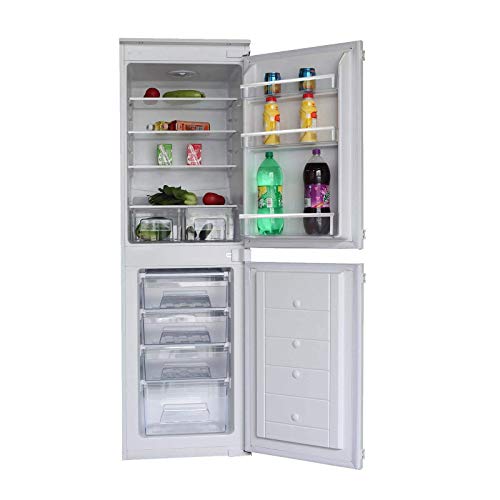
- 이전글You'll Never Guess This Sash Window Maintenance And Repair's Tricks 26.03.15
- 다음글The 10 Most Terrifying Things About Legal Representation For Accidents 26.03.15
댓글목록
등록된 댓글이 없습니다.